Call us now 01926 402 498

Incel Ideology Explained
Incel – a term associated with a mostly online subculture of people, who define themselves as unable to find a romantic or sexual partner despite desiring one, and who may blame, objectify and denigrate women and girls as a result.
Where did ‘incel’ come from?
Although the term incel is now widely associated with male-dominated online spaces and misogynistic ideologies, it was originally coined by a woman. In the 1990s, a woman named Alana created Alana’s Involuntary Celibacy Project, a personal website where she and others discussed experiences of loneliness, shyness, and social isolation. The term incel emerged as a way to describe those struggling to form romantic or sexual relationships.
Over time, however, the meaning of incel evolved and took on different connotations, shaped by the communities that adopted it. Today, the term is often linked to online subcultures that promote harmful narratives about gender and relationships, making it essential to understand both its origins and its modern implications.
The 80/20 Rule
What is the 80/20 Rule?
The Reality: In economics, the Pareto Principle suggests that 80% of outcomes come from 20% of causes.
The Incel Myth: Incels have twisted this concept to claim that 80% of women only want the top 20% of men, leaving the rest “undesirable and alone.”
The Truth? This is not backed by real-world evidence—it’s just another way to fuel anger and misogyny.
How the 80/20 Rule Fuels Harmful Beliefs
- Encourages resentment toward women
- Promotes the idea that men are “owed” sex
- Normalises toxic masculinity and violence
- Leads to real-world harm, as seen in cases of incel-inspired violence
Adolescence, the 2025 television drama, highlights how these beliefs radicalise and affect adolescent boys online, shaping their views on relationships, sex, and power. The show directly names Andrew Tate the ‘red pill’ community as key influences on Jamie Miller, the main character, and other boys his age.
The “Chad, Stacey & Becky” Myth
Incels, or “involuntary celibates,” believe attraction is rigged against them. Their world is built on toxic stereotypes that dehumanise both men and women – leading to online harassment, radicalisation, and even real-world violence.

Chad
The “ideal” man: handsome, rich, confident. Incels believe women always choose Chads.
- Tall, muscular, and conventionally attractive
- Wealthy or high-status
- Naturally confident and socially dominant
- Has an effortless ability to attract women
But the reality?
Not all attractive men are manipulative or hyper-masculine. Confidence and attraction are shaped by many factors, not just genetics.The idea that only “top-tier” men find love is false and fuels resentment toward men who don’t fit this mold.
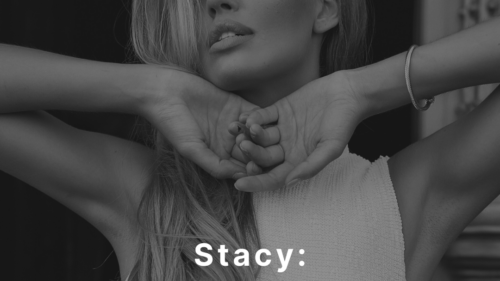
Stacey
The “perfect” woman: attractive, popular, and supposedly only interested in Chads.
- Blonde, conventionally beautiful, and hyperfeminine
- Popular and sought after
- Only attracted to Chads
- Materialistic and “uses men for attention”
What’s the reality?
Women aren’t monolithic – they are individuals with different preferences, personalities, and values. Sexuality is complex, and attraction isn’t determined by looks alone. This stereotype fuels misogyny by portraying women as shallow manipulators.

Becky
The “average” woman: Incels believe she still has more dating options than them but isn’t as desirable as Stacy.
- “Plain” or “basic” in appearance
- More likely to date “lower-status” men but still overlooks incels
- A feminist or “socially aware” woman who “rejects traditional gender roles”
- “Settles” for an average guy, but incels believe she still has the power in relationships
What’s the reality?
The Becky stereotype shows how incels see all women as obstacles rather than individuals. Even women who are not seen as “ideal” are still resented for their perceived power in dating. Women, like men, face insecurities and dating struggles—but incels reject this reality.
Looksmaxxing
“Looksmaxxing” is a term used online to describe the pursuit of improving one’s physical appearance to its perceived maximum potential. It often involves strategies like skincare, fitness, and grooming. However, it can rang up to more extreme measures such as cosmetic procedures, jawline exercises, or even dangerous trends like “bone smashing.”
While some aspects, like exercise or healthy skincare, can be safe and beneficial, other practices promoted in online communities can be harmful and based on misinformation. Looksmaxxing is frequently tied to social media culture, where appearance is highly valued and young people may feel pressured to conform to unrealistic beauty standards. It’s important to approach any self-improvement methods critically and prioritise safety, mental health, and body positivity.
Though the term does not originate from Incel culture, some of the methods promoted online for looksmaxxing do.

Bone Smashing
‘Bone smashing’ is a dangerous and self-violent trend circulating on TikTok, where individuals strike their faces with blunt objects like hammers or bottles, believing it will reshape their facial bones to achieve a more defined appearance.
Proponents of this practice often cite Wolff’s Law, which suggests that bones remodel in response to mechanical stress. However, applying blunt force trauma to the face does not lead to beneficial bone remodeling and can cause significant harm.
Engaging in ‘bone smashing’ can result in:
-
Facial fractures and disfigurement
-
Soft tissue damage and nerve injury
-
Infections due to open wounds
-
Long-term psychological effects from body image issues
These consequences highlight the severe risks associated with this trend.
The ‘bone smashing’ trend has gained over 267 million views on TikTok, spreading rapidly among young audiences. This underscores the influence of social media in promoting harmful behaviors.
It’s crucial to approach online trends with skepticism and prioritise safety over appearance. Seeking professional advice from healthcare providers is essential before considering any cosmetic procedures.
The Dangers of the ‘Bone Smashing’ TikTok TrendFrequently Asked Questions
What is an Incel?
An incel, short for “involuntary celibate”, is someone who believes they are unable to find a romantic partner despite wanting one. While the term originally described loneliness and social isolation, some online incel communities promote harmful beliefs about women, relationships and society.
What is Incel Ideology?
Incel ideology is a collection of beliefs commonly found in some online communities. These beliefs often blame women for men’s difficulties in relationships and can promote misogyny, resentment and harmful stereotypes.
Why is Incel Ideology a Safeguarding Concern?
Some incel communities encourage hostility towards women, reinforce unhealthy attitudes about relationships and can contribute to the radicalisation of vulnerable young people. Exposure to this content can influence beliefs, behaviour and emotional wellbeing.
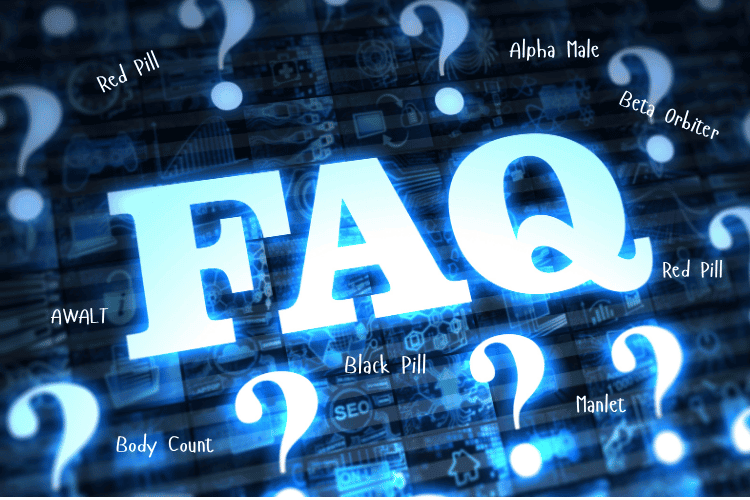
What are some of the words, phrases and terms used?
Common terms include:
- Chad
- Stacey
- Becky
- Looksmaxxing
- Blackpill
- Red Pill
- 80/20 Rule
These terms are often used to reinforce beliefs about gender, attractiveness and social status.
How do Young People Encounter Incel Content?
Young people may encounter incel content through:
- TikTok
- YouTube
- Discord
- Gaming platforms
- Social media recommendation algorithms
Content may initially appear as self-improvement, fitness or dating advice before introducing more extreme views.
What are the Warning Signs that Young Person maybe engaging with Incel Content?
Possible signs include:
- Increasing hostility towards women or girls
- Repeated use of incel terminology
- Belief that relationships are unfairly “rigged”
- Obsession with appearance and attractiveness
- ankings
- Social withdrawal and isolation
- Consuming extreme online content about gender
One sign alone does not mean a young person is involved in incel communities, but patterns of behaviour may warrant concern.
What is the 80/20 Rule?
Some incel communities claim that 80% of women are only interested in the top 20% of men. This belief is not supported by evidence and is often used to justify resentment towards women.
What is Looksmaxxing?
Looksmaxxing refers to attempts to improve physical appearance through grooming, fitness, skincare or other methods. While some practices are harmless, certain online communities promote extreme and potentially dangerous techniques.
What is Bone Smashing?
Bone smashing is a dangerous online trend that encourages people to strike their face with objects in the belief it will improve their appearance. This can cause serious injury and is not supported by medical evidence.
How can Parents talk to Young People about Incel Culture?
Remain calm and non-judgemental. Ask open questions about the content they are viewing, encourage critical thinking, discuss healthy relationships, and help them understand that online stereotypes rarely reflect reality.
Where can I get Support if I am Worried about a Young Person?
If you are concerned that a young person is being influenced by harmful online ideologies, seek advice from safeguarding professionals, schools, youth services or specialist support organisations. If there is an immediate risk of harm, contact the relevant authorities.